PM who ships AI products end to end, from discovery to production code.
As Head of Product at ThoughtLeaders, I moved the platform from an agency-run service to self-serve B2B SaaS. Since 2025, I’ve designed, built and shipped my own products solo.
Product thinking, hands-on execution.
I came into product through QA and customer-facing integrations, learning how software works, where it breaks, and what customers actually need.
At ThoughtLeaders, I progressed from Product Manager to Head of Product. I moved the product from an agency model, where account managers did the work for clients, to a self-serve B2B SaaS platform by rebuilding core workflows and onboarding. The company grew past $1M ARR during my time leading product.
Since 2025, I’ve built products myself with AI, owning discovery, UX, architecture and development.
A Chrome extension I built and shipped solo.
Moved the product from a managed service to self-serve B2B SaaS.
Company growth during my time leading product.
Products I’m building.
From industry pain points to working software, with AI-assisted development.
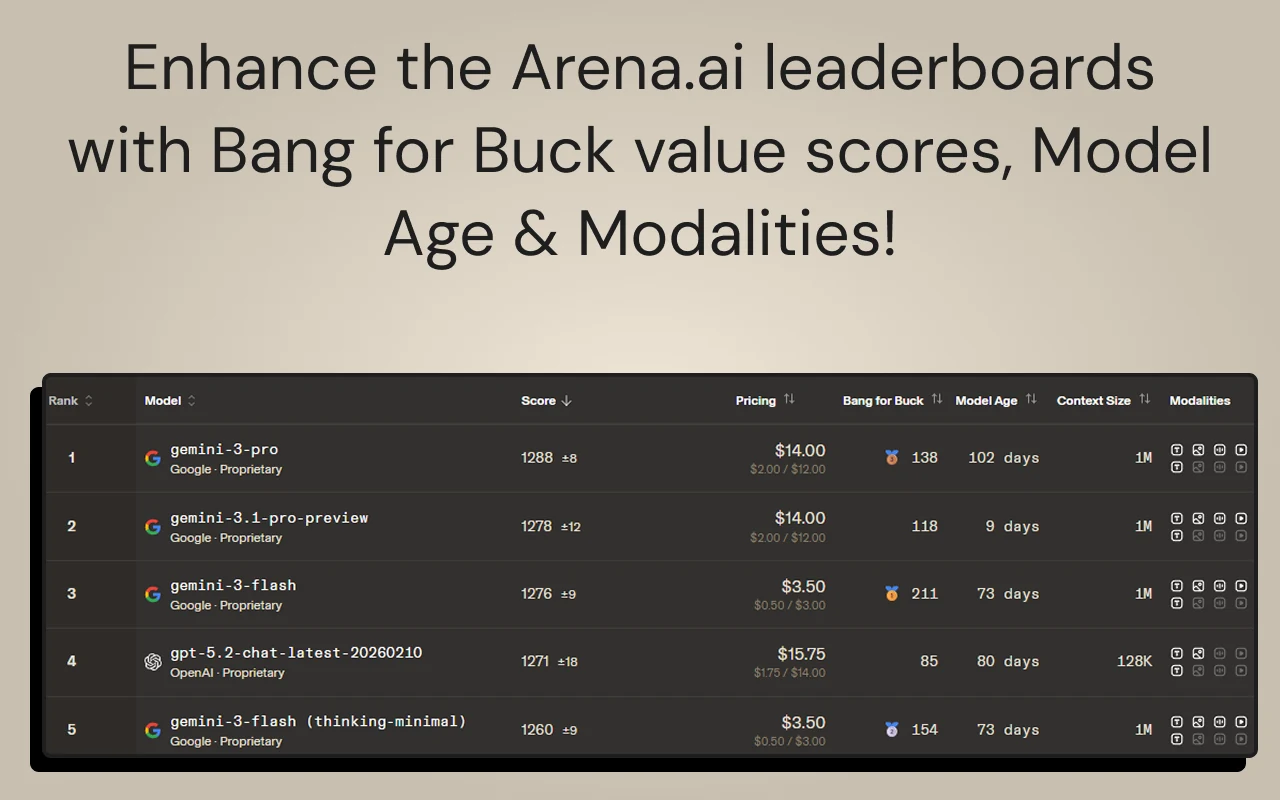
See what the AI leaderboard leaves out.
A Chrome extension that adds model-value comparisons, modality information and generation alerts to Arena.ai, making it more useful for choosing and testing models.
Designed, built and published solo. 1,800+ installs, 400 users and a 5★ rating on the Chrome Web Store.
Open in Chrome Web Store ↗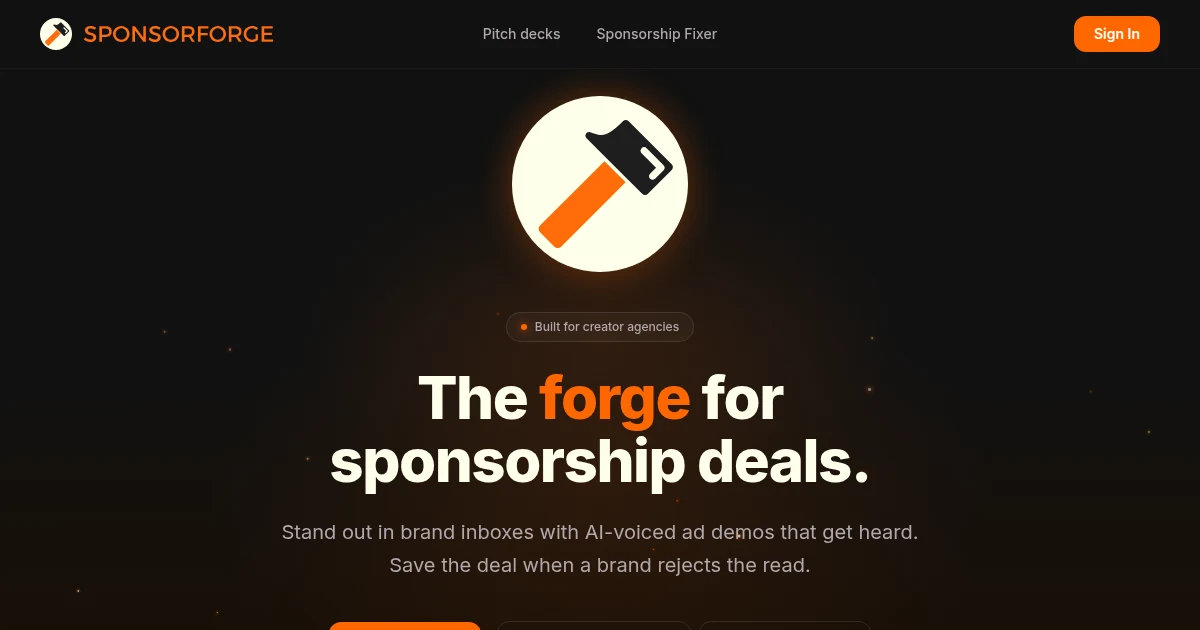
Let brands hear the partnership before they buy it.
A SaaS for creator agencies to pitch brands with AI-generated audio ad samples featuring their talent, making a cold pitch feel like a real possibility.
Built end to end: architecture, UX, admin interface and a work queue for concurrent AI generations. Ran a beta with 3 creator agencies; active development is now paused.
Open SponsorForge ↗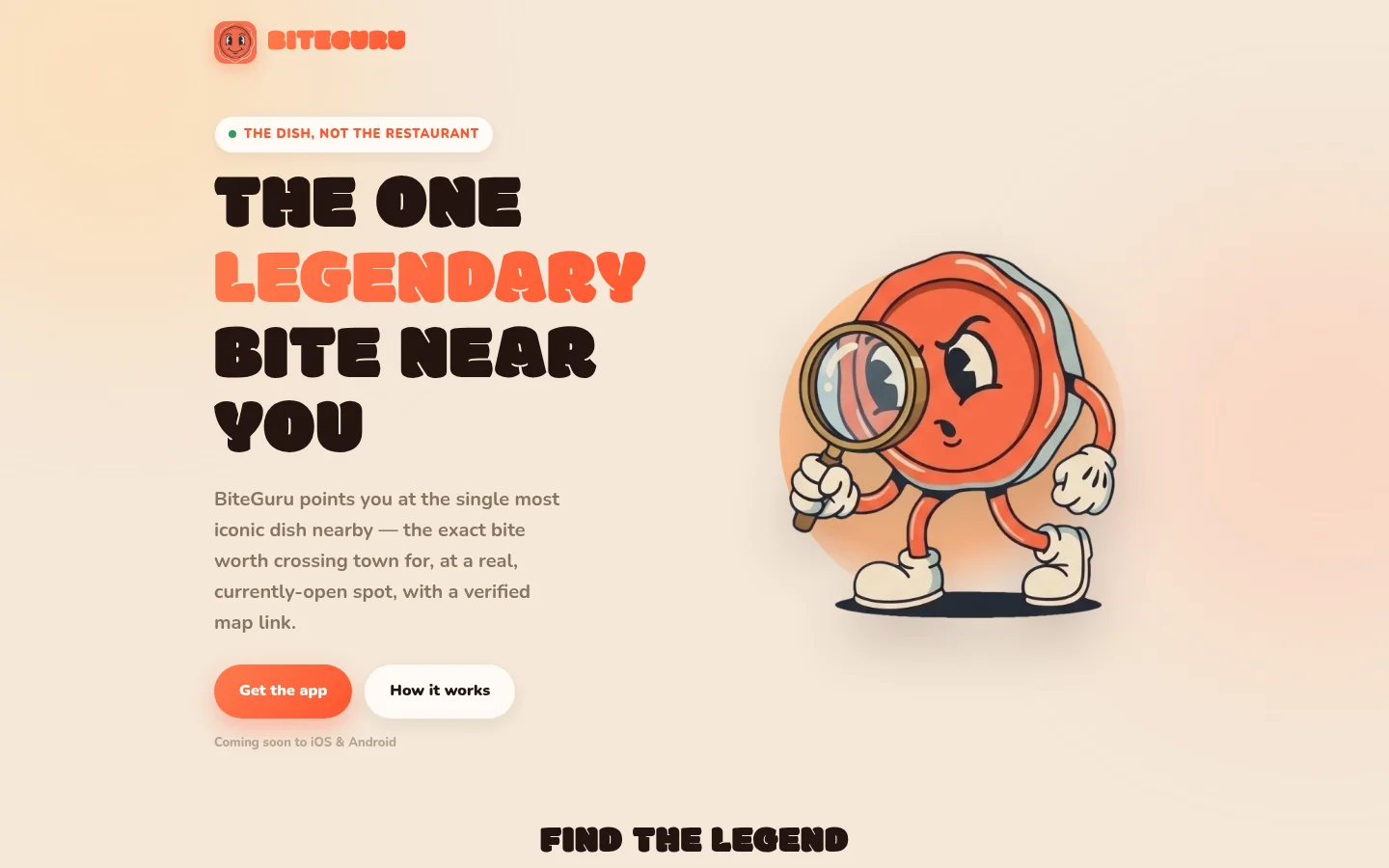
Your foodie friend in every city.
An iOS and Android app for discovering the local dishes worth seeking out and knowing exactly what to order when you get there.
Designing and building it with React Native, Expo and AI-assisted development.
See the coming-soon page ↗The decisions behind the product.
01 Keeping customer workflows inside the platformThoughtLeaders · Product management+
Problem
Brands could use the platform themselves, but a slow, unclear experience gave them little reason to stay. They exported a creator list, then continued their work in spreadsheets. Account managers remained the heaviest users.
Options I weighed
One option was a spreadsheet integration that made exporting smoother. The other was to bring the work customers did in spreadsheets into the platform itself. A long stretch of customer interviews, usage data, session recordings and account-manager feedback pointed the same way. An integration would keep us a lead source that customers opened every few weeks. Only moving the workflow inside would make the platform the place where the work happened.
What I chose and why
I replaced the one-off export flow with collaborative, multi-stage shortlists. Brands could tag creators, move them through stages and assign each stage to a teammate. That introduced seats and roles: several people from the same company could work on one shortlist, each owning their step. Most of the workflow that used to leave the platform could now stay in it.
Result
Brands and account managers could run creator outreach from discovery to shortlist in one place, with teams working together instead of passing spreadsheets around. We didn’t track usage cleanly before launch, so I can’t give a before-and-after usage figure. During my time leading product, ARR grew from about $50K to over $1M. In my view, this change and the AI onboarding redesign were the biggest product drivers of that growth.
What I’d do differently
Set up usage tracking before the rollout. Without a baseline, I can show that the workflow moved into the platform, but not by how much.

02 Turning a brand URL into a useful starting pointThoughtLeaders · Product management+
Problem
New customers completed a lengthy questionnaire, then landed in an empty dashboard. They still had to work out where to start.
Options I weighed
An open-ended AI chatbot, a guided product-tour tool such as WalkMe, or an agent that takes one input: the brand’s URL. I ruled out the chatbot because every open question adds friction, and the conversation could go in very different directions. We decided against the product tour.
What I chose and why
I redesigned onboarding around information the customer already had: their website URL. AI gathered brand context and used it to populate the workspace with saved reports and creator recommendations tailored to their needs. A single input kept the agent predictable, was the simplest experience for the customer, and still gave us the data we needed.
Result
Customers started from a workspace that already showed what the platform could do for them, so the first step of understanding the product was done for them. Analytics showed first-time usage up by more than 40% after launch, and clients responded very positively. More customers kept using the platform after their first session because they could see its value straight away.
What I’d do differently
Keep the agent working after onboarding. It understood each customer’s brand from day one, so it could keep suggesting new reports as their needs changed, instead of stopping after the first session.

03 Letting customers define their own metricsThoughtLeaders · Product management+
Problem
Customers needed different metrics. Building a new column for every request would add interface clutter and a growing development queue.
Options I weighed
Three options: build a dedicated column for each metric customers asked for, simplify the tools customers already had, or give them full control to define metrics themselves.
What I chose and why
We chose full control. Customers were already creating formulas in spreadsheets, so I used that behaviour to shape an editor that let them combine existing platform metrics into their own custom columns. The challenge was giving that much control without exposing more of the system than we should.
Result
The more technical customers built their own metrics, and for them it was a lifesaver. Account managers and I could also build very specific metrics for any client, and the template library we shipped from day one was used heavily internally. Every customer benefited, some directly and others through their account manager. Experimenting with the numbers ourselves, we found calculations that opened new ways to find high-quality leads and channels.
What I’d do differently
Trust customer behaviour over my own doubts sooner. At first I thought the feature was too technical for our customers. It turned out to be far more useful than I expected. They were already writing formulas in spreadsheets, and that was the signal to follow.
04 Making internal tools easier to discoverSimilarweb · QA / hackathon project+
The problem
Useful internal scripts spread through word of mouth. Developers had no shared place to discover tools that already existed.
My contribution
While working in QA, I initiated SimilarH4cks, a Chrome extension that brought those scripts together. Our hackathon team scoped and built the working tool.
What we built
A shared entry point for developers to find and use internal utilities.
Product & technology.
Own product direction, UX, architecture and AI-assisted development. Arena.ai Plus (live: 1,800+ installs, 400 users, 5★), SponsorForge (beta with 3 creator agencies, now paused) and BiteGuru (in development).

Product Manager · Feb 2022 – May 2024
Influencer marketing platform and agency. Moved the product from an agency model, where account managers did the work for clients, to a self-serve B2B SaaS platform by rebuilding core workflows and onboarding.
- Redesigned onboarding around a single brand-URL input: AI gathers brand context and pre-populates reports, replacing a long questionnaire and an empty dashboard.
- Replaced one-off creator-list exports with collaborative, multi-stage shortlists (tagging, step ownership), keeping customer work inside the platform.
- Shipped a custom formula editor modelled on customers’ spreadsheet habits, so they could define their own metrics without a development request for each.
- Managed a junior PM and a designer; set the roadmap with the CEO from usage analytics, session recordings, customer interviews and account-manager feedback.
QA Engineer at Lemonade (insurtech, 4 months) and short stints at early-stage startups during COVID.

Supported merchant and payment-gateway API integrations from sandbox through production, translating technical and workflow pain points into clear requirements.

Ran QA for the PRO product and initiated two hackathon tools: Heatmap for understanding user behaviour and SimilarH4cks for developer workflows.
Product management & AI building
Download my résumé
Let's build something useful.
Open to Product Manager roles, especially those involving hands-on AI development and prototyping. Available for Europe-remote and Lisbon-hybrid roles.